
Few experiences are more frustrating than executing a flawless car wash, stepping back to admire the glossy finish, and watching helplessly as chalky white water spots materialize across your hood and doors.
If you own a dark or black vehicle, this scenario is likely all too familiar. The harsh reality of detailing is that water spots rarely stem from improper washing techniques; they are almost exclusively the result of a flawed drying process. Understanding the chemistry behind these blemishes is the first step to eliminating them permanently.

The Chemistry Behind the Spot: Mineral Etching
Water spots are not simply "wet marks." They are concentrated mineral deposits left behind when water evaporates from your clear coat. Even municipal tap water used for rinsing contains high levels of dissolved minerals, primarily calcium and magnesium.
When water sits on warm paint—especially under direct sunlight—it evaporates rapidly. The water vanishes, but the abrasive minerals remain anchored to the surface. While these spots may seem purely cosmetic at first glance, prolonged exposure to heat and UV rays bakes these minerals directly into the clear coat. Over time, this causes mineral etching, a form of permanent physical damage that cannot be washed away and strictly requires aggressive machine polishing to correct.
The Microfiber Limitation: The Threat of Hidden Water
The traditional instinct after a final rinse is to immediately reach for a large microfiber drying towel. While high-quality towels are highly absorbent, they share a fundamental flaw: they can only dry what they can physically touch.
The true threat of water spots comes from the intricate architecture of modern vehicles. Water inevitably pools deep inside:
-
Side mirror housings and pivot joints
-
Window seals and weather stripping
-
Intricate front grilles and mesh intakes
-
Emblems, badges, and door handles
A towel cannot penetrate these narrow crevices. Consequently, you may finish drying the vehicle, only to experience the dreaded "post-wash drip"—where trapped water slowly bleeds out of the mirrors and trim while you drive, drying in the sun and leaving harsh streaks down your perfectly clean doors.
The Professional Solution: High-Speed Airflow Evacuation
Preventing water spots is fundamentally a race against evaporation. The goal is to remove the water faster than the sun can dry it. This is precisely why the detailing industry has rapidly shifted toward high-speed airflow drying.
By utilizing a concentrated blast of air, you aren't just wiping water around; you are mechanically forcing it off the panels and purging it from every hidden crevice. Blasting out the mirror housings and grilles before they have a chance to drip ensures a completely dry vehicle. As an added benefit, this touchless drying method drastically reduces the physical friction that causes swirl marks.
(👉 Further Reading: The Best Way to Dry a Car Without Scratching the Paint)
4 Essential Steps to a Spot-Free Finish
Achieving a flawless, spot-free finish doesn't require a complex setup, but it does require strategic execution:
1. Wash on Cool Paint, Out of Direct Sunlight Heat accelerates evaporation. Washing your car early in the morning or late in the afternoon keeps the surface temperature low, giving you a significantly wider time window to remove the water before minerals can crystallize on the clear coat.
2. Execute a Thorough Final Rinse Any lingering shampoo residue will exacerbate spotting. Ensure your final rinse utilizes clean, flowing water to sheet off as much standing water as possible before the manual drying phase begins.
3. Purge the Gaps First Do not start wiping the large panels immediately. Use forced air to evacuate the mirrors, wheels, grilles, and trim first. Removing the hidden water eliminates the source of future drips.
4. Prioritize Speed and Efficiency The longer water dwells on the paint, the higher the risk of etching. Move swiftly and purposefully during the drying phase to outpace the natural evaporation cycle.
Upgrading Your Drying Arsenal
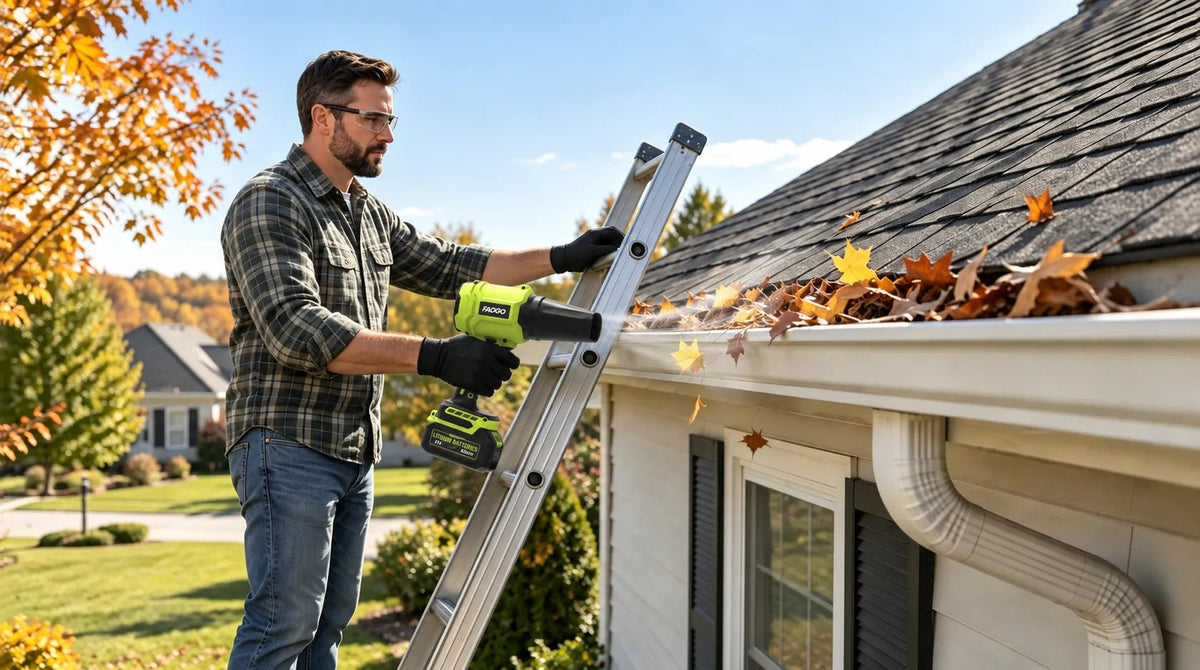
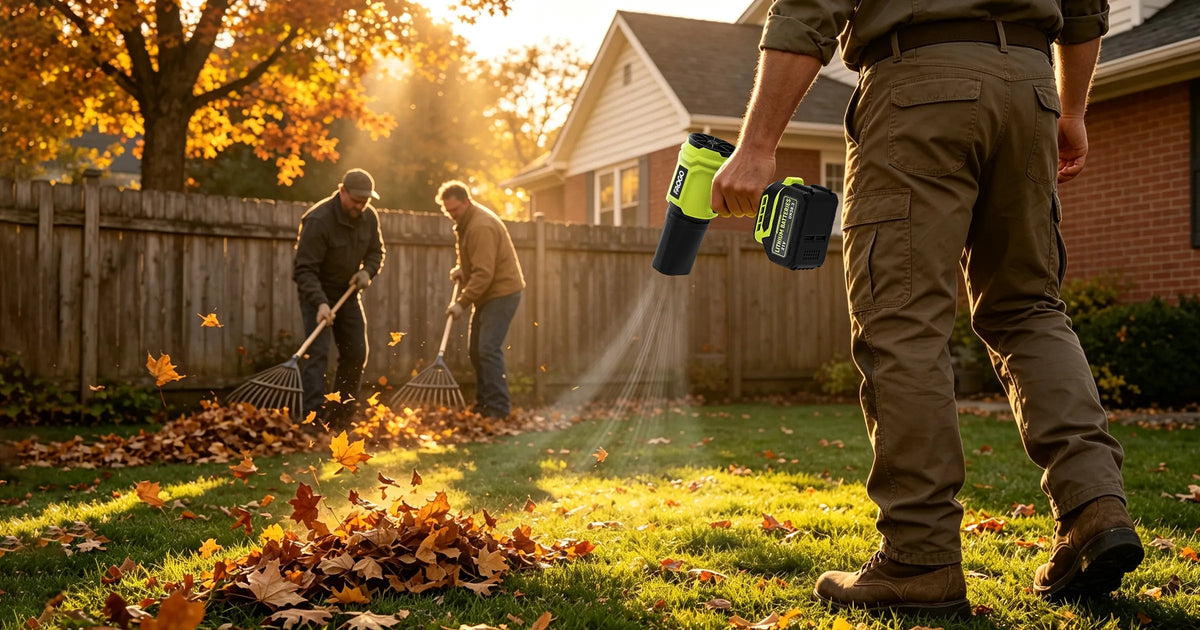
When upgrading to airflow drying, many beginners make the mistake of using standard yard leaf blowers. However, those machines are cumbersome, unwieldy, and engineered for clearing lawns—not for the precision required in automotive detailing.
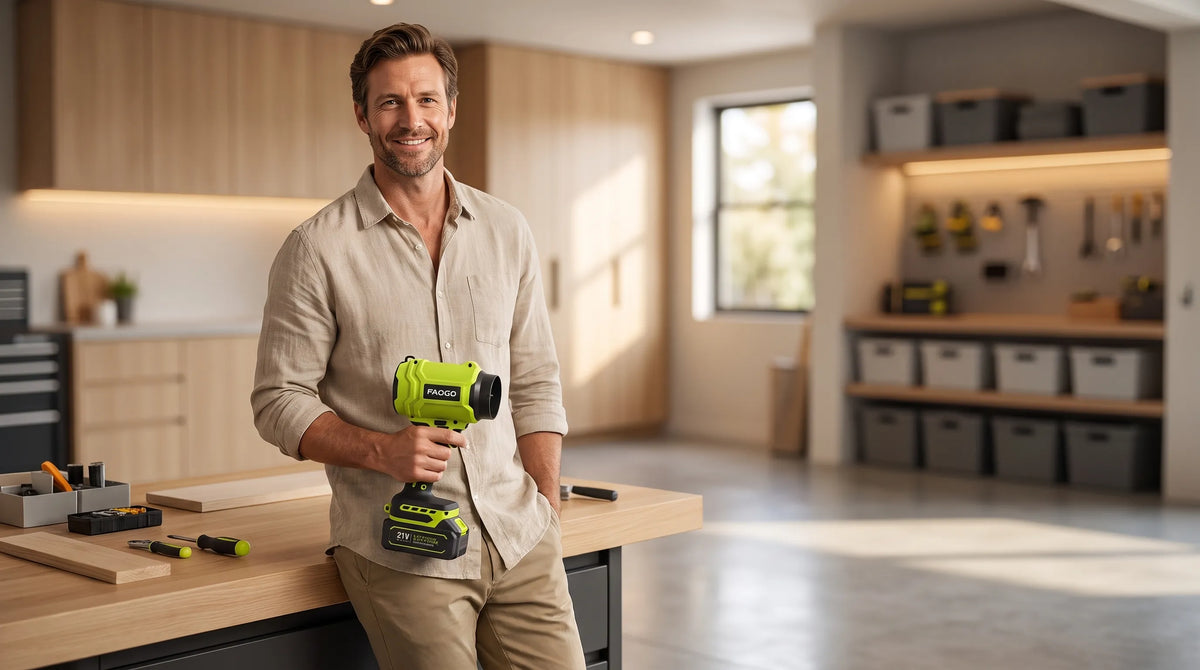
To safely and effectively maneuver around tight automotive panels, a compact, professional-grade tool is essential. It offers the controlled, high-velocity airflow needed to blast water out of tight wheel spokes, while being versatile enough to serve as a precision instrument in other applications—such as clearing fine dust from wood surfaces in a workshop.
For a superior touchless drying experience that protects your clear coat and saves time, the FAOGO Turbo Fan is specifically engineered to deliver the precise, cordless power required for flawless auto detailing. It gives you the efficiency of professional air-drying in a highly portable package.

FAQ
Are water spots actually damaging to car paint? Yes. While fresh water spots are superficial, leaving them exposed to heat and sunlight allows the minerals to etch into the clear coat, requiring professional paint correction to remove.
Why do streaks appear 20 minutes after I dry my car? This is caused by water trapped deep inside mirror housings, door handles, and trim gaps. As the car moves or shifts, the water drips out and dries naturally, leaving mineral trails.
Is airflow drying the most effective prevention method? Absolutely. High-speed airflow is the only effective way to forcefully extract trapped water from crevices before it has the opportunity to drip and evaporate on the paint surface.
Share:
Best Way to Dry a Car Without Scratching Paint
Why Water Keeps Dripping From Your Side Mirrors After a Wash (And How to Stop It)