
For years, my post-wash routine was set in stone: grab a plush microfiber drying towel, carefully drag it across every panel, and pray I didn't leave streaks. I thought that was simply how you dried a car.
But every time I parked under a harsh streetlamp or direct sunlight, I’d spot those dreaded micro-scratches and spiderweb swirls—especially on dark paint. I cycled through different soaps, upgraded to premium heavy-duty towels, and obsessively refined my washing technique. Eventually, the hard truth hit me: the wash wasn’t the problem. The relentless wiping was.

The Problem Isn't the Towel, It's the Friction
Don't get me wrong, a good microfiber towel is still great for sweeping across a wide, flat hood or roof. The problem starts when you force a towel to do everything.
When it comes to intricate areas—side mirrors, grilles, lug nuts, and panel gaps—towels are a nightmare. You wipe them down, think you're done, and the second you pull out of your driveway, a stream of trapped water cascades down your door panel, leaving a dried mineral streak behind.
(Dealing with this constantly? You might find this guide helpful: 👉 How to Prevent Water Spots After Washing Your Car)
The Turning Point: Switching to Airflow
That’s when I gave touchless airflow drying a shot. I used to think turbo blowers were overkill, just a flashy toy for professional detailers. But using one completely changed my workflow.
Blasting trapped water out of crevices instead of aggressively rubbing a towel into them means less physical friction on the clear coat and a drastically lower chance of inducing new scratches.
My New (And Faster) Drying Routine
My process is entirely different now, and it takes half the time:
-
The Thorough Rinse: I make sure all soap residue is completely flushed off the paint.
-
Air-Dry the Traps First: Before a towel even touches the car, I grab a blower and immediately target the notorious drip zones: side mirrors, emblems, the front grille, and wheel spokes. This forces hidden water out before it has the chance to drip later.
-
Light Towel Touch-Ups: I still keep a microfiber nearby, but its job is much easier now. I only use it to gently pick up the remaining beads of water on the large, flat panels.
-
The Final Walkaround: Before packing up, I do one last lap around the car, checking those annoying trim gaps to ensure nothing is sneaking out.
(Curious about the pros and cons of both methods? Check out: 👉 Turbo Fan vs Towel: Which Actually Dries a Car Better?)
The Right Tool Makes It Effortless
If you wash your car weekly and want to protect your paint long-term, making the switch to a dedicated blower makes a massive difference.
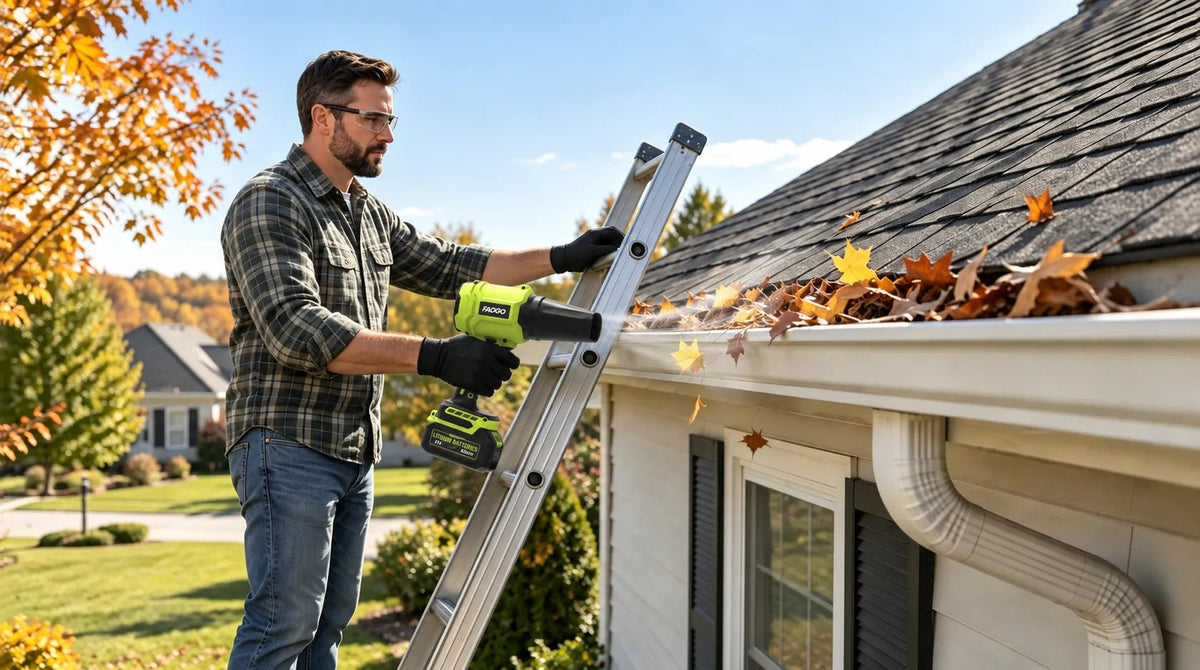
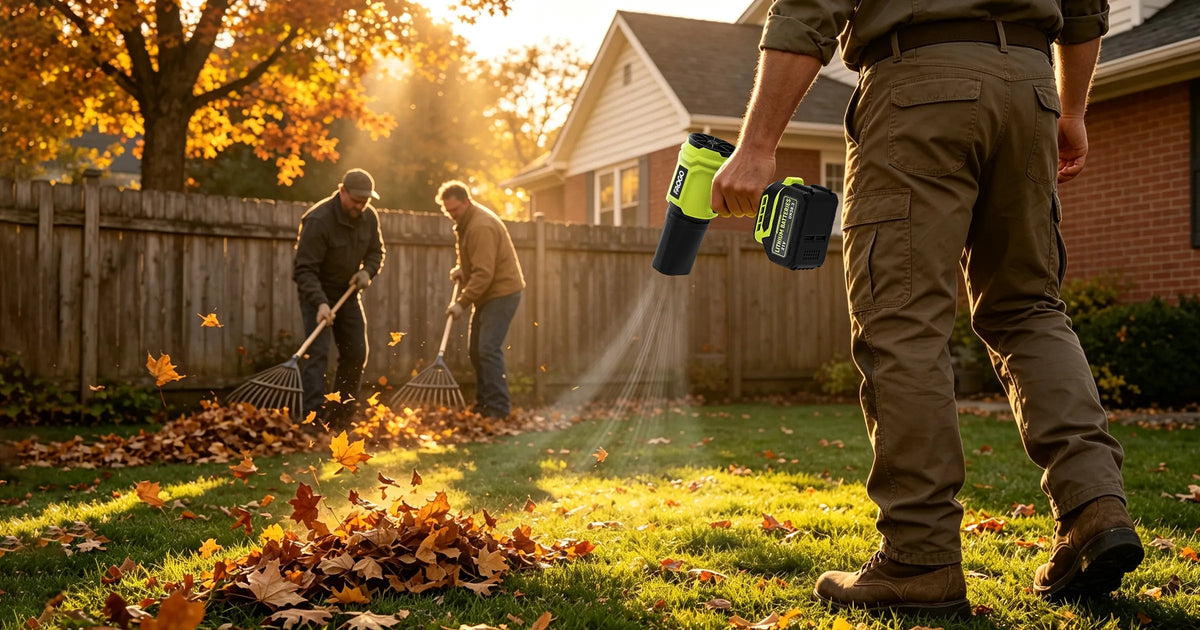
For my routine, I rely on the FAOGO Turbo Fan. Because it's a completely cordless tool, I don't have to worry about dragging a power cable across a wet driveway or accidentally slapping the paint with a cord while working around the vehicle. It’s compact enough to maneuver around tight wheel wells, yet packs more than enough punch to clear out panel gaps instantly.

Final Thoughts
I still keep towels in my detailing cart, but relying on them for 100% of the drying process? Never again. Once you experience how much faster and safer it is to blow the water out of a side mirror rather than chasing drips with a rag, it's impossible to go back. Sometimes, the best way to touch up your paint is simply not to touch it at all.

Share:
Why Water Keeps Dripping From Your Side Mirrors After a Wash (And How to Stop It)
What Are Swirl Marks on Car Paint? (And How Do They Happen?)