
The vehicle drying process seems straightforward, but it is often the phase where irreversible micro-damage occurs. For decades, microfiber towels were the default standard for automotive detailing. However, as car care techniques evolve, more professionals and enthusiasts are transitioning to "touchless drying" using turbo blowers.
Does high-speed airflow truly hold an advantage over traditional physical wiping? It depends entirely on your standard for long-term paint preservation.

The Physical Limitations of Microfiber Towels
Microfiber towels have dominated the industry for years due to their impressive capillary action. They are soft to the touch, boast exceptional absorbency compared to standard fabrics, and quickly handle large, flat panels of standing water. For those seeking a quick, electricity-free wipe-down, they remain a highly practical tool.
However, from a microscopic perspective, physical wiping inherently carries risks. Even the heaviest, plushest microfiber towel requires direct physical contact with the clear coat. If any microscopic grit, dust, or minerals remain on the surface after washing, the dragging motion turns those tiny particles into micro-abrasives.
Over time, this repetitive friction leaves behind swirl marks and micro-scratches. This is especially evident on dark or black paint; under direct sunlight, a clear coat that should look deep and glassy instead appears dull and covered in fine, spider-web-like textures.
(👉 Further Reading: How to Dry Your Car Without Scratching the Paint)
The "Touchless" Advantage of High-Speed Airflow
The core logic behind using a turbo blower for car drying is simple: replacing physical friction with aerodynamics.
High-pressure airflow doesn’t "soak up" water; it utilizes sheer force to push water beads off the paint surface entirely. This zero-contact method completely removes the physical friction required to create swirl marks. For vehicle owners who wash their cars frequently, have invested in expensive ceramic coatings, or demand flawless gloss, touchless drying is an absolute necessity.
Furthermore, airflow drying dominates when it comes to complex vehicle structures. Traditional towels are incredibly inefficient at drying:
-
Side mirror housings
-
Multi-spoke alloy wheels
-
Front grilles and intakes
-
Emblems, badges, and window trim
A targeted blast of air forces trapped water out of these crevices in seconds. This not only dramatically speeds up the drying process but completely eliminates the frustrating "post-wash drip"—where hidden water streaks down your doors and mirrors the moment you drive away.
Why a Professional-Grade Turbo Fan is a Better Investment
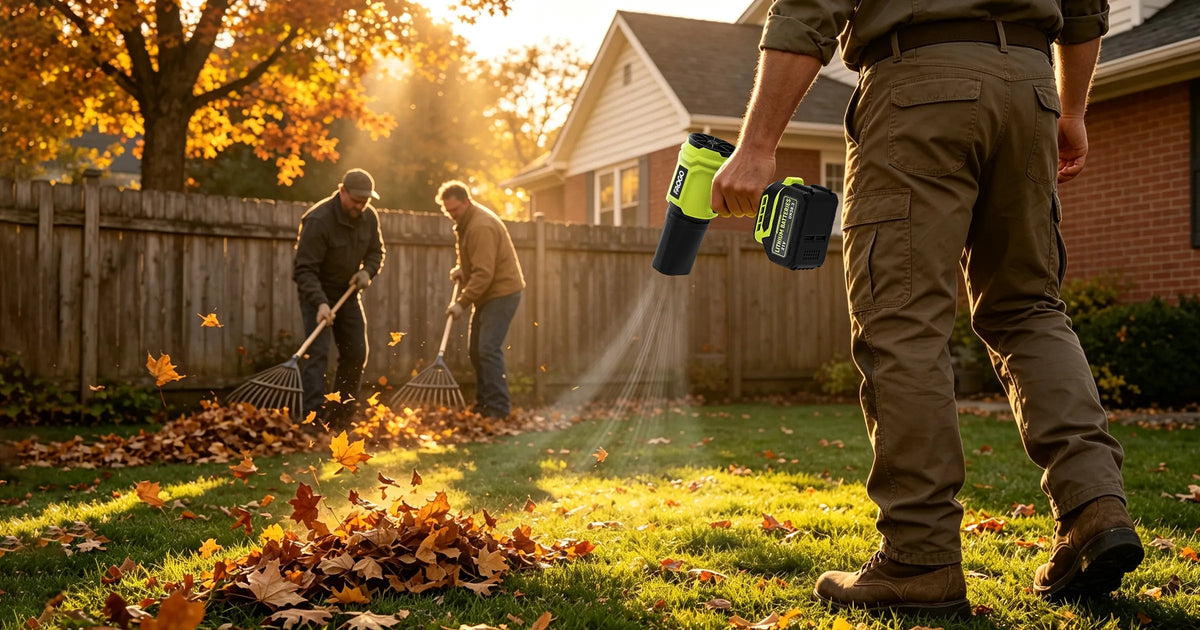
When exploring airflow drying, some people initially try using standard yard leaf blowers. While they certainly move a lot of air, their design is far from suited for precision detailing. They are typically bulky, deafeningly loud, and cumbersome to maneuver around tight automotive panels.
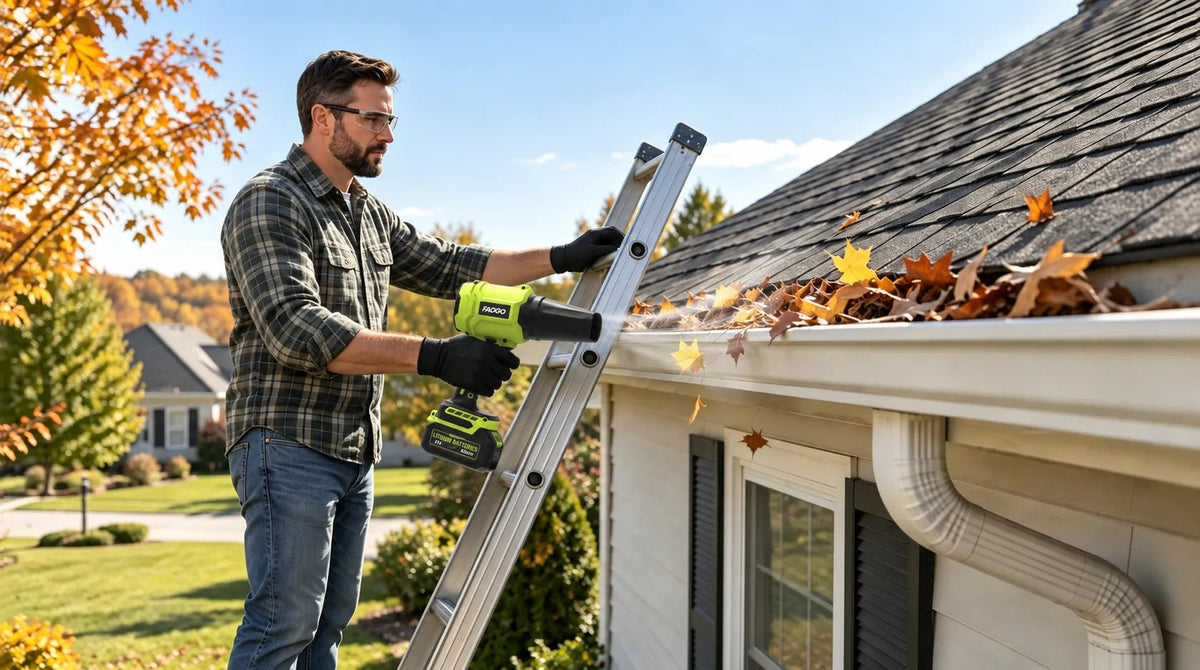
In contrast, compact professional turbo fans offer exceptional versatility and precision control. Beyond automotive detailing, their highly concentrated airflow is equally effective for clearing dust and debris from wood surfaces in workshops or DIY projects, making them a far more practical, multi-use tool than oversized, lawn-oriented blowers.
Engineered specifically for safe, efficient detailing, the FAOGO Turbo Fan delivers a premium touchless drying solution. By utilizing a compact, cordless design, it removes the hassle of dragging cables across your wet paint. It delivers powerful, directional airflow to easily navigate intricate grilles, wheels, and mirror gaps, drastically reducing the risk of clear coat damage at the source.

Frequently Asked Questions (FAQ)
Can a turbo blower completely replace a drying towel? For over 80% of the drying process, yes. In professional detailing, the standard practice is to use airflow to dry the vast majority of the vehicle and flush out all crevices. You then keep a single, clean microfiber towel on hand strictly to lightly dab away any isolated, stubborn droplets.
Is airflow drying safe for cars with ceramic coatings? It is not just safe; it is the optimal method. Ceramic coatings create extreme hydrophobicity (water beading). This slick surface magnifies the shearing effect of the high-pressure airflow, allowing the water to fly off the paint effortlessly for an incredibly fast drying experience.
Final Thoughts
Microfiber towels will always have a place in the garage, particularly for quick spot-cleaning or interior work. However, if your goal is to build a safer paint maintenance routine, permanently reduce swirl marks, and eliminate the annoyance of dripping mirrors and grilles, transitioning to a touchless turbo blower is the single best upgrade you can make to your wash day workflow.

Share:
Best Way to Dry a Car Without Scratching Paint